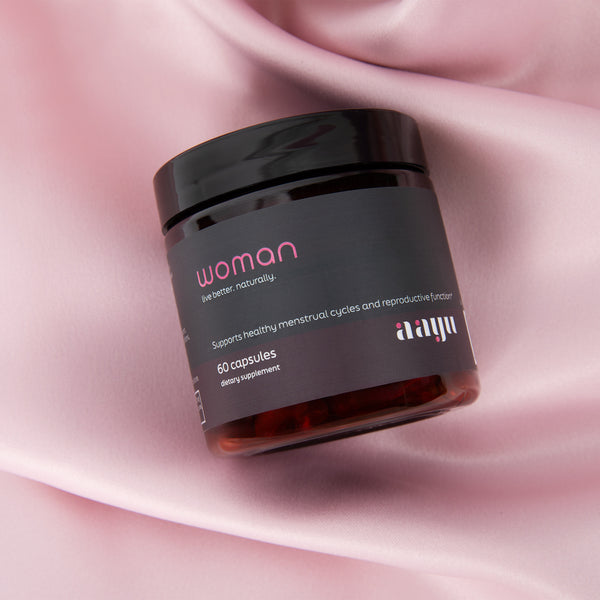
1 in 10 women have endometriosis. It still takes nearly a decade to be believed.
The pain is real, the delay is documented, and most of what gets offered either switches your cycle off or cuts tissue out. Here is what one founder did when neither was enough for her.


It is not rare. It just is not believed.
Tissue like the uterine lining grows where it should not, and bleeds every cycle with nowhere to go. That means inflammation, scarring, and pain that can flatten a working week. The part nobody warns you about is how long it takes anyone to say the word.
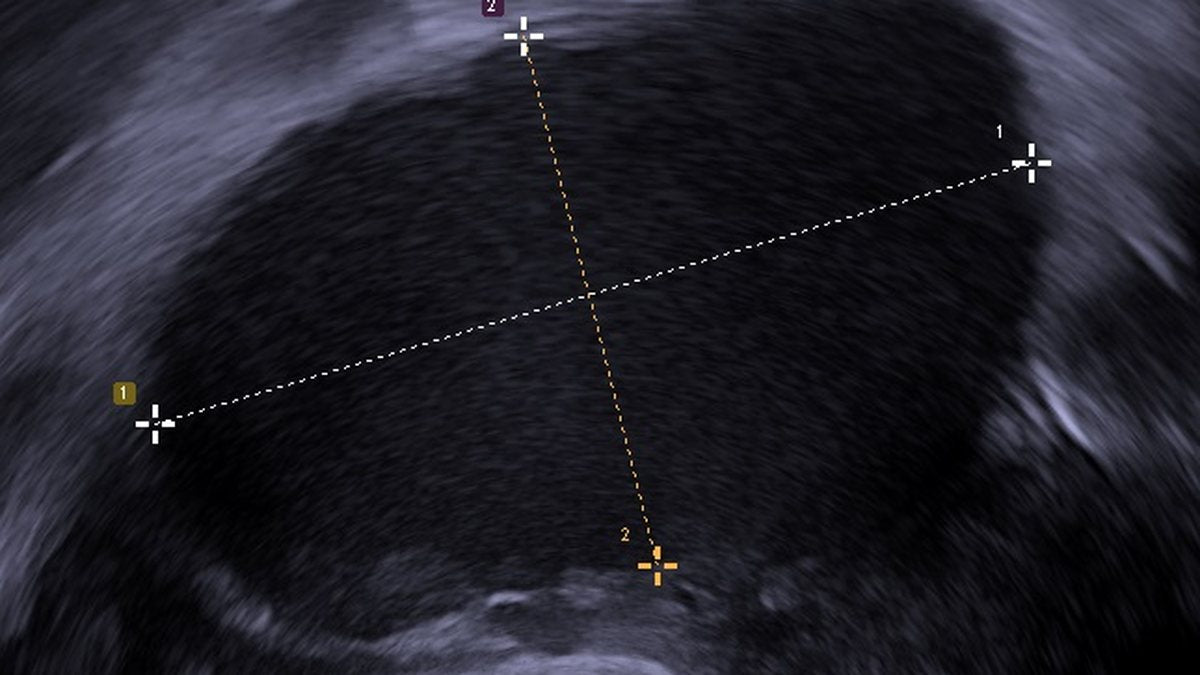
A decade of being told it is normal teaches a person to stop asking. Most women come looking for options having already run out of patience with being managed.

Every step on the standard path does something. None of them do everything.
Not an argument against any of it. Most women need some of these, and some need all of them. This is simply where each one stops.

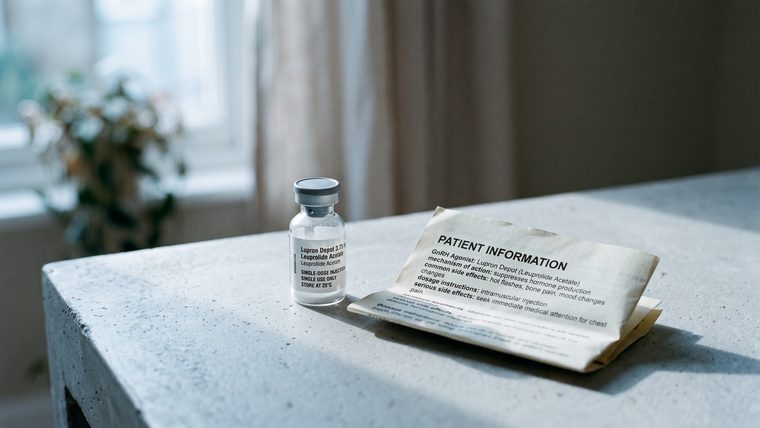

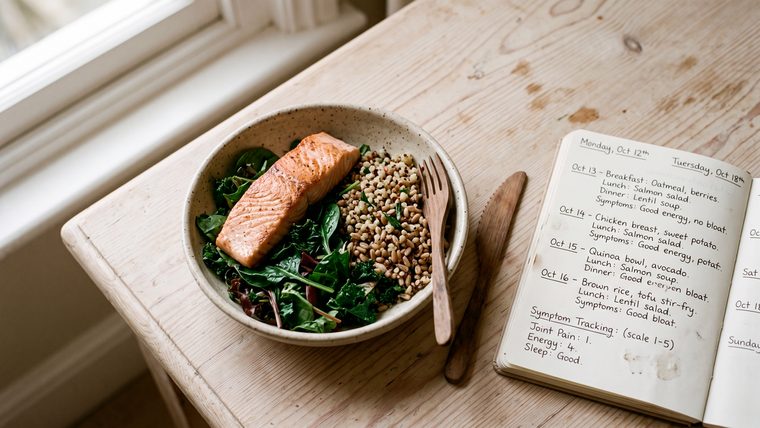
There are three ways to come at this. You have been offered the first two.
Suppressing the cycle and removing the tissue are both real medicine, and for many women they are necessary. Neither one is aimed at the inflammatory environment that keeps the problem coming back.
Not the only way out. Not the enemy either.
Excision is real medicine and often the right call. If your surgeon has recommended it, nothing here is a reason to put it off.
What it does not do is change the environment the tissue grew in. That is why recurrence is common, and why the months after the follow-ups stop are the part nobody manages for you.
Smita started where every real treatment starts: the literature.
Smita did not start with a product. She started with endometriosis, and the same dead ends everyone else gets handed.
So she went to the literature first and formulated from it: six botanicals at doses drawn from the studies, not tradition. Then she ran the protocol on herself for three and a half months alongside a strict clean diet, and went back to her doctor.
What her doctor told her, she says herself.
Ayurveda names the plants. The clinic decides the dose.
Ayurveda is dosed as a course over months, not a tablet at the first cramp. What decides whether that course does anything is not the plant list. It is whether anyone measured.
Two products can carry the same six botanicals on the label and behave nothing alike. This is the difference. See the research behind each one →
A 2023 scoping review in the Journal of Integrative and Complementary Medicine screened 1,820 records and identified 57 peer reviewed studies of Ayurvedic interventions in women with PCOS, including 13 randomised controlled trials. Its conclusion was that these interventions show "a promising role in managing symptoms", while noting real gaps still to be filled. That is a fair description of where the science sits: seriously studied, still incomplete.
Rao et al., J Integr Complement Med, 2023. That review concerns PCOS, not endometriosis, and did not test this formula.View on PubMed →
What is in the bottle, and what each one is studied for.


Ingredient research describes the botanicals, not this finished product. Individual results vary.
Frequently asked questions
What is aayu woman?
A daily Ayurvedic supplement of six botanicals, formulated to support healthy menstrual cycles, hormonal balance and reproductive function. 60 capsules per bottle.
How do I take it?
Two capsules daily with water, ideally after a meal and at the same time each day. Consistency matters more than timing.
When would I expect to notice anything?
Ayurveda builds rather than spikes. Most women give it a full cycle before forming a view, and the protocol is designed around three months. Individual results vary.
Is it safe?
It is made in an FDA registered, GMP certified facility in the USA with NSF registered dietary ingredients. As with any supplement, speak to your medical provider before starting, particularly if you are pregnant, trying to conceive, or taking prescription medication.
I have had surgery and it came back. Why would a capsule do anything?
It would not do what surgery does. Excision removes tissue. aayu woman is formulated to support the inflammatory and hormonal environment around your cycle, which is the part the standard path tends to leave alone. It is an addition to your care, not a replacement for it.
Aren't Ayurvedic supplements unregulated?
Supplements are held to a different standard than drugs, and quality varies a great deal between makers. That gap is exactly what we built against. Unlike a typical off-the-shelf herbal supplement, aayu woman is clinician-backed and made in an FDA registered, GMP certified facility in the USA using NSF registered dietary ingredients. Every certification shown above is independently verifiable, and hundreds of clinicians have shared it with their patients without being compensated for it.
Can I take this with birth control or my prescription?
Talk to your doctor before starting, and bring the ingredient list with you. That applies to anyone on hormonal treatment, on prescription medication, pregnant, or trying to conceive. We would rather you ask than guess.
Three months feels like a long time.
It is, and we are not going to pretend otherwise. Hormonal imbalance builds over years of bombarding the system with hormones, through birth control and every other form of hormonal treatment. Undoing that and bringing back natural balance takes time. It did not happen in a week and it cannot be fixed in a week. Ayurveda is dosed as a course for exactly that reason, which is why the three month plan exists.
Can I take this if I am pregnant or trying to conceive?
No. If you are pregnant or actively trying to conceive, do not take aayu woman. It is built for the preparatory year before you start trying, while you are still working on hormonal balance, and on conditions like endometriosis or PCOS, with your doctor. The aim in that window is supporting the hormonal balance and detoxification behind a healthier reproductive environment overall. It is not a fertility treatment and we make no claim about conception. Once you are trying, or already pregnant, stop and speak to your doctor.